
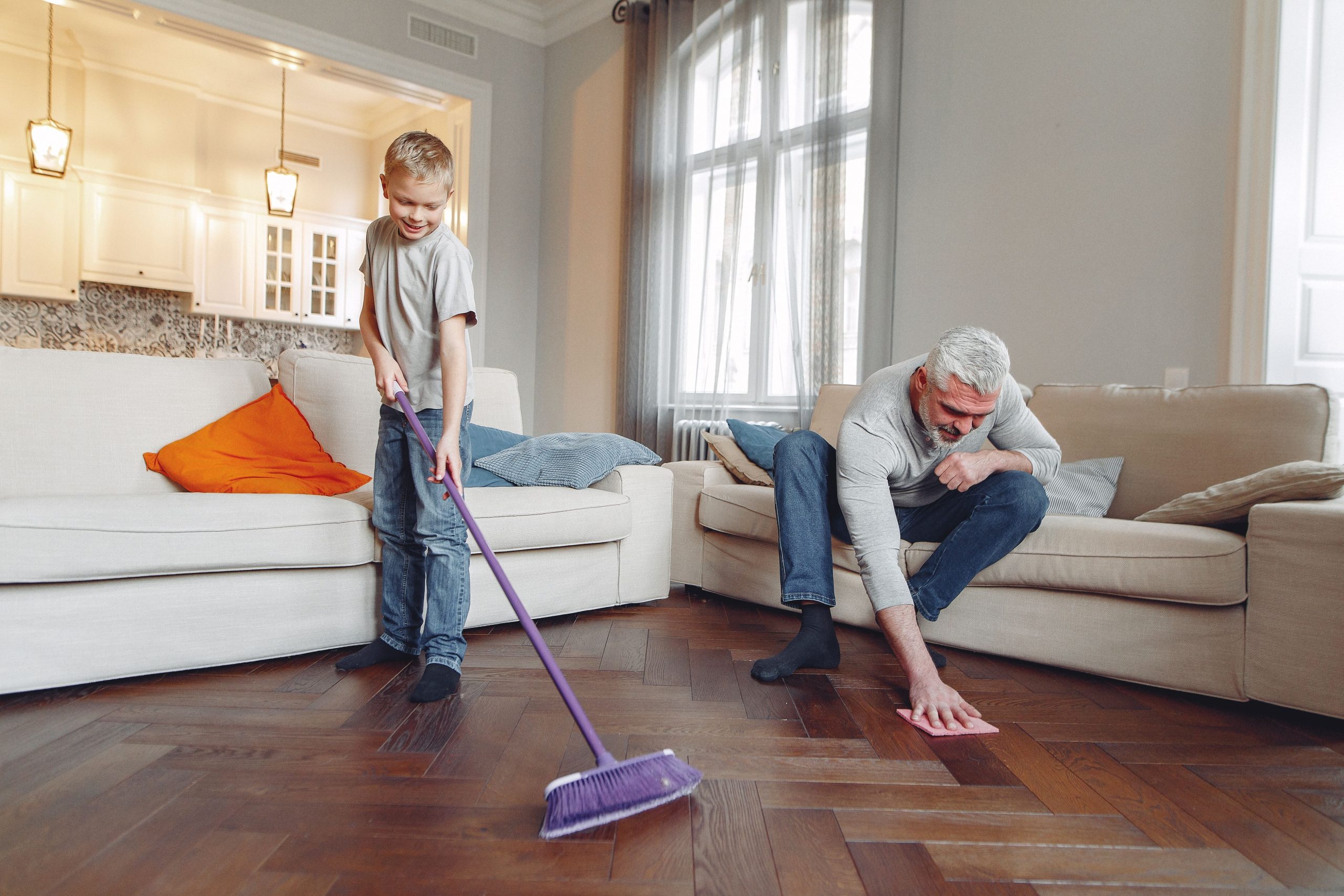
Keeping floors clean seems straightforward—until you discover that what works beautifully on ceramic tile can dull a hardwood finish, or that a steam mop perfectly safe for one surface can permanently warp another.
The right tools and floor cleaners go a long way toward preserving your floor finish and reducing long-term wear, but only when they’re matched to the specific material underfoot.
This guide offers practical, material-specific advice for the most common household floors.
Why One Cleaning Method Does Not Fit Every Floor
Hard floors, wood-based surfaces, vinyl, laminate, tile, and carpet each respond differently to moisture, abrasion, and cleaning chemistry.
A product that’s too alkaline can strip a wood finish; too much water can cause laminate to swell and buckle.
Always consult the manufacturer instructions before introducing any new cleaner, and keep in mind that “stronger” rarely means more effective.
Hardwood and Engineered Wood: Protect the Finish First
Wood floors are most vulnerable to excess moisture and surface abrasion. Daily sweeping or dust mopping removes the grit that gradually scratches and dulls the finish over time.
When mopping is necessary, use a barely damp mop with a wood-safe, neutral pH cleaner—never a soaking-wet one.
Placing entry mats at doorways and felt pads under furniture legs helps reduce wear before it even starts.
Clean up spills immediately; standing liquid is one of the most common—and preventable—causes of finish damage.
Key Takeaway: Wood floors last longer when the focus is on moisture control and scratch prevention rather than aggressive deep scrubbing.
Laminate Floors: Control Moisture and Avoid Residue
Laminate is durable but surprisingly sensitive to standing water. In a busy kitchen or hallway, daily dry sweeping or vacuuming is often all that’s needed; damp mopping should be light and infrequent.
Steer clear of waxes, steam cleaners, and harsh all-purpose products—these can leave behind sticky residue or cause the core layer to swell.
A lightly dampened microfiber mop is typically the safest tool for any periodic deeper cleaning.
Vinyl and Luxury Vinyl: Simple Care, But Not Careless Care
Vinyl is relatively forgiving, but abrasive scrubbers and harsh chemicals will dull its surface over time. Sweep or vacuum regularly, then follow up with a damp mop and a mild, vinyl-safe solution.
Spot clean immediately after spills to prevent staining or slippery residue from building up. Consistent routine maintenance almost always outperforms the occasional heavy-duty scrubbing session.
Tile and Grout: Clean the Surface and Maintain the Joints
Tile itself is easy enough to mop, but grout lines trap soil and require separate attention. Use a soft brush—not an abrasive scrubber—to work through grout in high-traffic areas.
Depending on the material and how heavily the space is used, grout may also need periodic sealing to resist staining and moisture absorption.
Reader Aid:If your tile looks clean but still feels dingy, grout buildup is likely the culprit—not the tile surface itself.
Carpet: Remove Soil Before It Becomes Embedded
Frequent vacuuming is the single most effective carpet care strategy, particularly in entryways and rooms with pets or children. When spills happen, blot rather than rub, and always test any cleaner on a hidden area first.
Allow the carpet to dry fully before resuming foot traffic—skipping this step invites odor and mold development.
Common Mistakes to Avoid
- Using too much water on wood or laminate
- Applying abrasive pads to delicate finishes
- Skipping manufacturer instructions for specialty flooring
- Ignoring spills on porous or moisture-sensitive surfaces
- Assuming one all-purpose product is safe on every surface
Preventive Care That Reduces Cleaning Effort
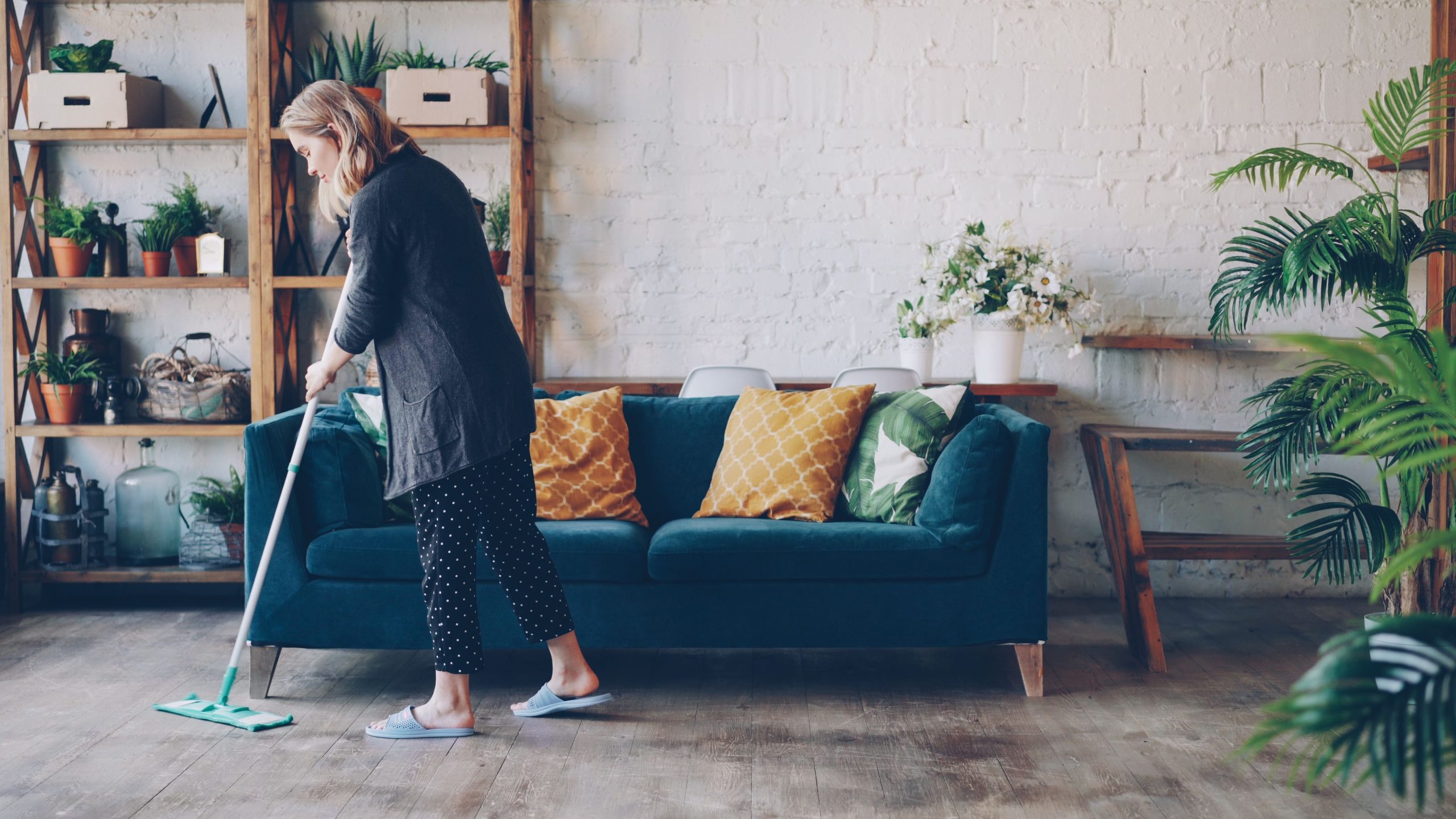
Entry mats, furniture pads, and prompt spill response collectively cut down on how often—and how intensively—you need to clean.
Regular inspections help you catch early signs of wear, water damage, or finish deterioration before they become costly repairs. As a general rule, prevention takes far less effort than correction.
Practical Maintenance Schedule by Floor Type
| Floor Type | Daily | Weekly | Monthly |
|---|---|---|---|
| Hardwood | Sweep or dust mop | Lightly damp mop | Inspect finish for wear |
| Laminate | Sweep or vacuum | Light damp mop | Check for swelling or gaps |
| Vinyl | Sweep | Damp mop | Deep clean if needed |
| Tile | Sweep | Mop surface | Scrub grout lines |
| Carpet | Vacuum high-traffic areas | Full vacuum | Spot treat any stains |
Simple Habits That Make a Difference
Good floor care ultimately comes down to consistency and compatibility. Matching your cleaning approach to the specific material—and responding quickly when spills or wear appear—does more to protect your floors than any single product or technique ever could.
Before overhauling your cleaning routine, identify your flooring type and review the manufacturer’s care guidance. The most effective method is always the one designed for the floor you actually have.