
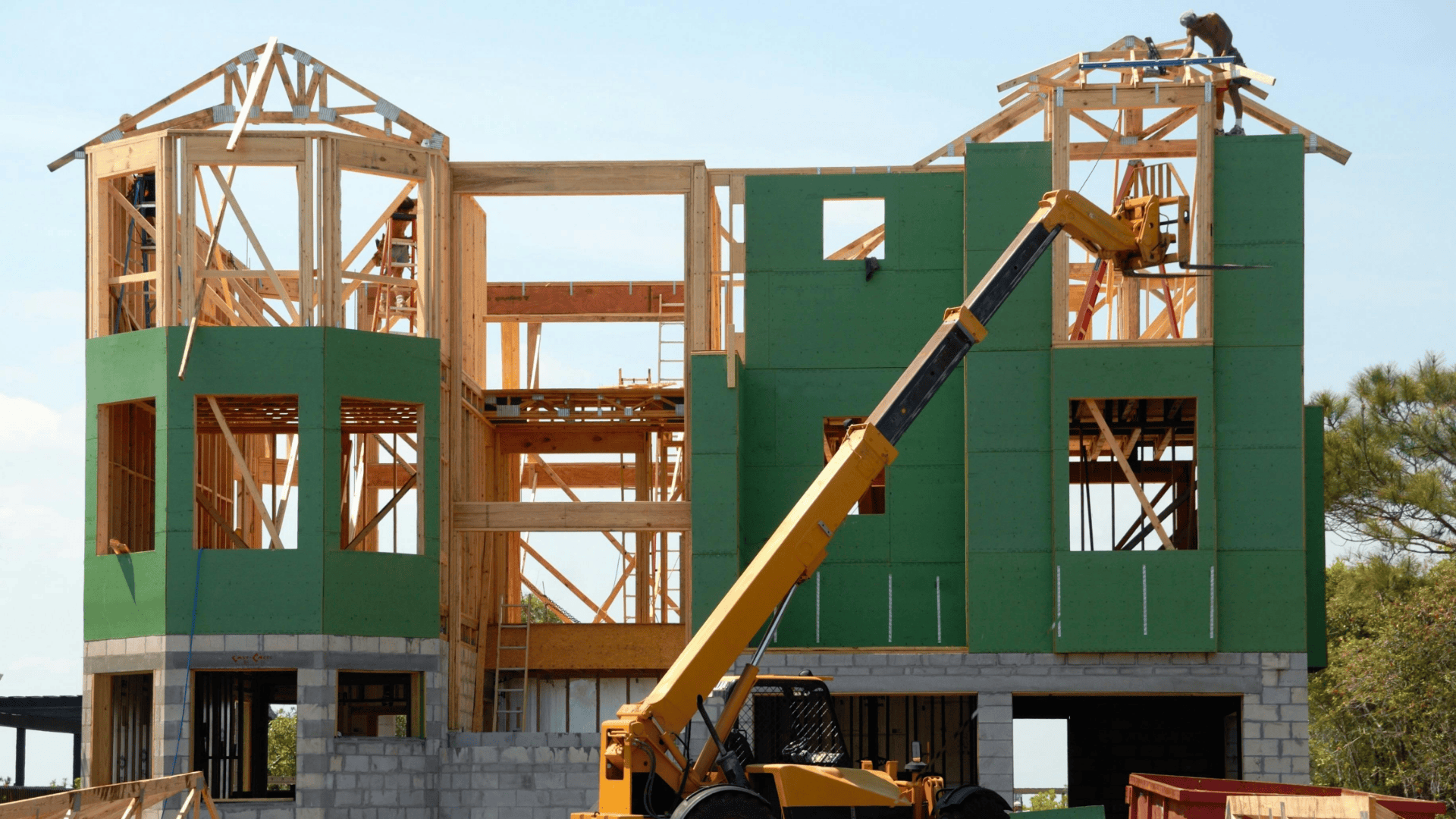
Building your own home is equal parts thrilling and intense. From budgeting to blueprints to builder selection, every decision adds up to a place that actually fits your life. Even if you never need it, understanding the basics—and baking smart safeguards into your timeline and budget—can save future-you from headaches.
Set Your Vision: Needs, Wants, and Non-Negotiables
Before you price anything, define how you’ll live in the space. List room counts, storage, accessibility needs, outdoor areas, and must-have features. Then divide the list into three buckets:
- Non-negotiables: daily-life essentials you won’t compromise.
- Nice-to-haves: items you’ll keep if the budget allows.
- Future-ready: items you can rough-in now and finish later (think EV charging, outdoor kitchens, or a bonus bath).
This clarity keeps scope from creeping and helps your team value-engineer without sacrificing what matters most.
Build the Budget: Reality Over Rough Guesses
Start with the total spend you can comfortably afford, then work backward. Include:
- Land, surveys, soil tests, and utilities.
- Design fees, engineering, permitting, and impact fees.
- Construction labor and materials.
- Sitework and drainage.
- Driveways, fencing, and landscaping.
- Contingency (10–15% is common for new builds).
- Move-in costs: window treatments, appliances not in the contract, and punch-list fixes.
Pro tip: Track “allowances” (e.g., cabinets, tile, lighting) in a live spreadsheet. Unit-price changes add up fast.
Due Diligence on The Dirt: Site, Soil, and Water
Great houses start with good ground. Commission:
- Topographic and boundary surveys: Confirm setbacks and slopes.
- Geotechnical report (soils test): Identifies expansive clays, organics, or high water tables.
- Drainage plan: Routes stormwater away from the footprint and hardscape.
If the report notes expansive soils, your structural engineer may specify deeper beams, more steel, or moisture-control measures.
It’s cheaper to design for soil realities now than to fix movement later.
Plan for Slab Foundation Repair in Your Budget
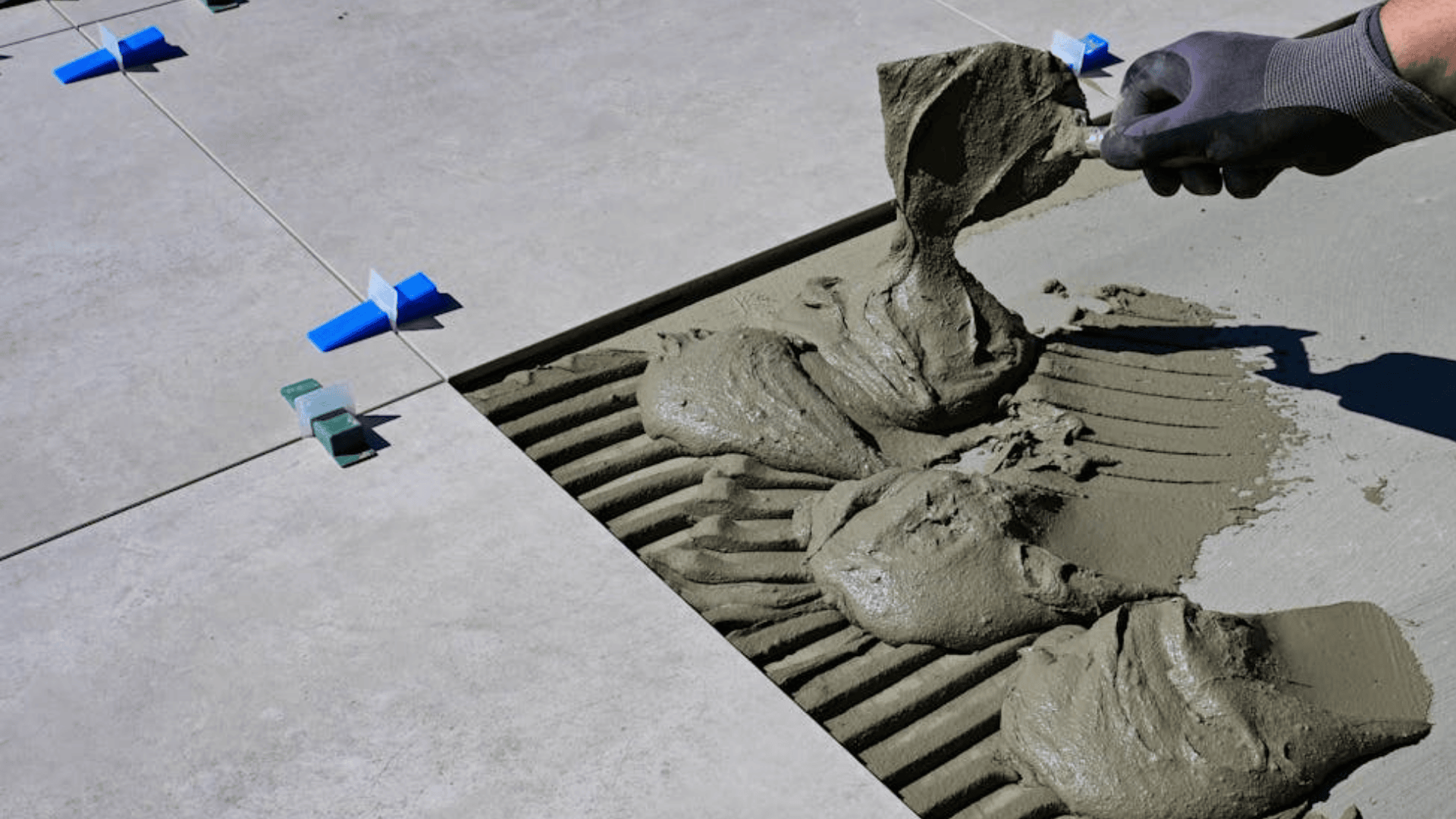
While nobody wants it, smart owners earmark a small reserve for structural contingencies and understand how slab foundation repair typically works.
Repairs often address settlement, heave, or differential movement and may involve installing steel push piers, helical piles, or polyurethane injections to stabilize or re-level affected areas. Knowing the common methods, typical access needs, and the importance of experienced crews helps you ask the right questions if issues arise.
Contracts that Protect You: Scope, Specs, and Schedule
Request a clear construction contract that includes:
- A precise scope of work with drawings and specs referenced by date.
- A materials list naming model numbers and finishes, not just “builder grade.”
- A payment schedule tied to milestones verified by inspections.
- Change-order rules: pricing, approvals, and how schedule impacts are handled.
- Warranties and insurance: duration, inclusions, and claim process.
If you’re financing, align lender draw requests with these milestones to keep cash flow smooth.
Permit to Proceed: Approvals and Inspections
Work with your designer or builder to obtain permits in the right order. Expect:
- Zoning and site plan approval.
- Building permit with plan check comments.
- Utility approvals (water, sewer, electrical).
- Required inspections: footing, slab prep, framing, MEP rough-ins, insulation, and final.
Keep a binder—or cloud folder—of approved plans, inspection sign-offs, and red-line changes.
Schedule Like a Pro: Sequence and Lead Times
Supply chain hiccups happen. Lock critical items early:
- Windows and exterior doors.
- Trusses or engineered lumber.
- HVAC equipment and electrical panels.
- Specialty finishes and plumbing fixtures.
Ask your builder for a Gantt chart showing dependencies so you can see how weather, inspections, or backorders ripple through the plan.
Quality Control from Day One: Inspections You Can Diy
Even with a great builder, owner-level checks help:
- Before the pour: Photograph rebar, post-tension cables, and vapor barrier seams.
- After framing: Confirm window sizes/locations, blocking for cabinets and grab bars, and straight, plumb walls.
- Before drywall: Walk electrical and low-voltage placements using painter’s tape as “labels.”
- Tile and trim: Verify layout, grout lines, and scribe details in corners.
Consider a third-party inspector for framing and pre-close. Fresh eyes catch small issues before they become big ones.
Inside Choices that Save Money Later
- Universal design: Wider doorways, curbless showers, and lever handles future-proof your home.
- Finish hierarchy: Spend on high-touch items like door hardware, bath fixtures, and counters; save on easily replaced finishes like paint or mirrors.
- Lighting plan: Layered ambient, task, and accent lighting with dimmers where you cook, read, and work.
Final Walkthrough: The Punch List with Purpose
Bring blue tape, a phone flashlight, and a tennis ball (it’s great for testing outlet heights and spotting drywall dings). Check:
- Doors and windows: smooth operation and weatherstripping contact.
- Caulk and grout: complete, clean, and consistent.
- Slopes: water runs away from the home at patios and walks.
- Mechanical systems: thermostat programs, filter sizes, and shut-off valve locations.
Sign off only after items are corrected or formally scheduled with dates.
Common Pitfalls First-Timers Can Avoid
- Under-contingency: Plan for surprises rather than hoping they won’t happen.
- Scope drift: Capture every change in writing with cost and schedule impact.
- Late selections: Finishes chosen after rough-ins often cause rework.
- Perimeter planting too soon: New landscaping can trap moisture against the structure if not graded correctly.
Future-Proof Your Dream with Foresight
A well-built home is a stack of good decisions made in the right order. Understand your soil, document everything, insist on drainage discipline, and keep a contingency for the unknown. Give special attention to structural details and warranties so that if you ever need slab foundation repair, you’ll be prepared, protected, and positioned to act quickly.